제 31 호 A Helping Hand for Young Job Seekers
Kicker: SOCIETY A Helping Hand for Young Job Seekers by Sumin Lee , Reporter minnida_@naver.com For many young Koreans, becoming financially independent is becoming increasingly difficult. Rising living costs, housing expenses, and a challenging job market are forcing young adults to spend more time and money preparing for employment while having fewer opportunities to earn a stable income. In June, South Korea’s youth employment rate for people aged 15 to 29 fell to 43.9 percent, marking its 26th consecutive month of decline, while the youth unemployment rate rose to 7 percent. The prolonged job search is even pushing some young Koreans to look overseas for opportunities. In 2025, 2,257 young Koreans found jobs in Japan through government-supported programs, a 47 percent increase from the previous year. As young people face a longer transition from education to employment, the financial burden of rent, transportation, education, and daily necessities continues to grow. However, Korea has introduced various policies to ease these pressures, including housing subsidies, employment support, and programs designed to help young people build financial assets. This article will examine the economic difficulties facing young Koreans and explore how these policies are helping them navigate an increasingly challenging transition into adulthood. Support Programs Exist, but Access Remains a Challenge Image of the Employment24 Website, Providing Diverse Job Opportunities and Employment Information for Young people Despite the growing financial pressure on young Koreans, the government has introduced a range of employment support programs designed to help them enter the labor market and become financially independent. One of the major programs is the ‘National Employment Support System’, which provides employment services and income-related support to eligible job seekers. The program is designed to offer personalized employment assistance, including career counseling, job-search support, and other services depending on the applicant’s eligibility. The Ministry of Employment and Labor continues to update the program’s guidelines and provide information for participants. For young people who have been disconnected from the labor market for an extended period, the 'Youth Challenge Support Program’ offers another route back into employment. Rather than focusing only on immediate job placement, the program aims to restore participants’ motivation and confidence through customized programs. In 2026, the program s being operated in cooperation with selected local governments, meaning that the programs available to young people can differ depending on where they live. Another important measure is the ‘Youth Employment Leap Incentive’, which encourages companies to hire and retain young workers. In 2026, the program was reorganized to provide greater support for employment outside the Seoul metropolitan area. For example, young people who work for eligible companies in non-metropolitan areas can receive employment-retention incentives after maintaining their jobs for at least six months. The policy is intended to support both young workers and companies while also reducing the concentration of employment opportunities in the capital region. For those who lack practical experience, the ‘Youth Work Experience Support Program’ provides opportunities to gain workplace experience before securing a full-time position. Programs can connect young people with companies and organizations for hands-on work, mentoring, and career exploration. In 2026, for instance, a social-value-oriented program offered young participants opportunities to work at social enterprises for up to 12 weeks while receiving financial support. However, the existence of these programs does not necessarily mean that every young person can easily benefit from them. Many policies have specific age, employment, income, residence, education, or previous-work-experience requirements. In addition, some programs are operated only during limited application periods or through designated organizations. As a result, young people may miss opportunities simply because they do not know that a program exists or do not understand the application process. The fact that the Youth Challenge Support Program, for example, is implemented through selected local governments illustrates how access can depend on where a young person lives. How Can young People Find the Right Support? The first step is to search through official government platforms rather than relying only on social media or online communities. Government24’s Benefits service allows users to search for thousands of programs provided by central government agencies, local governments, public institutions, and education offices. Users can also search based on their individual circumstances, making it a useful starting point for identifying programs they may be eligible for. For employment-related programs, young people should also check the official employment services provided by the Ministry of Employment and Labor and its employment centers. It is particularly important to check the eligibility requirements, application period, required documents, and whether the program requires prior consultation or participation in a preliminary program. Rather than waiting until the application deadline, applicants should confirm these conditions in advance and contact the relevant employment center when information is unclear. University students can also make use of their university career centers and employment support centers. These institutions can serve as an additional information channel by introducing government programs, local employment projects, internships, and career counseling services. In some cases, they may also help students understand which programs are compatible with their current status as a student or job seeker. What Should Applicants Consider? Before applying, young people should first determine what kind of support they actually need. A student who needs practical experience may benefit more from a work-experience program than from a cash-based employment support program. A young person who has stopped actively searching for work may find the Youth Challenge Support Program more suitable, while someone actively looking for a job may benefit from the National Employment Support System. Applicants should also pay close attention to deadlines and eligibility conditions. Receiving one benefit does not automatically mean that a person is eligible for every other youth program. Some programs may have restrictions related to overlapping benefits, employment status, income, or previous participation. Therefore, checking the most recent official announcement is essential because program requirements and budgets can change from year to year. Another important consideration is that some programs are designed primarily to support companies rather than individuals . The Youth Employment Leap Incentive, for example, provides incentives to eligible employers that hire and retain young workers. Therefore, young job seekers should understand whether the benefit is paid directly to them or provided through their employer. National Programs, Local Programs, Different Opportunities The difference between national and local government programs is also important. National programs generally provide a broader and more standardized framework, allowing young people across the country to access similar types of employment support if they meet the requirements. Local governments, on the other hand, can design programs according to the needs of young people in their own communities.This can create differences in the types of support available depending on where a young person lives. One region may focus more heavily on housing assistance, while another may emphasize transportation, employment training, internships, or local-company recruitment. The Youth Challenge Support Program itself demonstrates this local variation, as the Ministry of Employment and Labor selects participating local governments and each local government develops and operates its program within the national framework. Therefore, young people should not limit their search to national programs. Checking the websites of their city, district, and provincial governments, as well as local youth centers, can reveal additional opportunities that may not appear in a general search. Government24 also provides access to information on local government websites and services, making it possible to compare programs across different administrative areas. Ultimately, the key to making these policies meaningful is not simply increasing the number of programs, but making sure that young people can find, understand, and successfully apply for them. Government support can reduce the financial burden of job preparation, provide practical experience, and help young people remain connected to the labor market. Yet these benefits are only effective when young people know where to look and understand the conditions attached to each program. For young Koreans facing an increasingly difficult transition into adulthood, actively searching official sources and comparing both national and local programs can be an important first step toward turning available policies into real opportunities. For many young Koreans, the journey from education to employment has become longer, more expensive, and more uncertain than ever before. Rising living costs and a difficult job market can make the future seem overwhelming, especially for those who are preparing for employment without a stable income. Government and local support programs cannot solve every difficulty young people face, but they can provide meaningful assistance during this challenging transition. The most important step is to recognize that these opportunities are available and to actively seek the support that fits each individual’s situation. From employment counseling and financial assistance to practical work experience and incentives for young workers, these programs can help reduce the burden of preparing for a career and provide young people with more opportunities to move forward. Ultimately, government support should not be seen simply as temporary financial aid, but as a stepping stone toward greater independence. At a time when the path to employment feels increasingly uncertain, knowing where to find these programs and making use of them can make the journey a little easier. For young Koreans facing an uncertain future, taking advantage of available support may be one small step toward building a more secure and hopeful tomorrow. SOURCES: https://www.moel.go.kr/info/lawinfo/instruction/view.do?bbs_seq=20260401151&utm https://moel.go.kr/policyitrd/policyItrdView.do?policy_itrd_sn=376&utm https://moel.go.kr/news/enews/report/enewsView.do?news_seq=18886&utm_source https://www.moel.go.kr/news/enews/report/enewsView.do?news_seq=19620&utm https://www.moel.go.kr/news/notice/noticeView.do?bbs_seq=20260500284&utm https://www.gov.kr/portal/main?Mcode=9999&utm https://moel.go.kr/policyitrd/policyItrdView.do?policy_itrd_sn=1&utm https://m.work24.go.kr/cm/main.do?topArea=EBM01
제 31 호 The Seamless Wallet: How Offline Easy Payment Services Reshape Campus Consumption
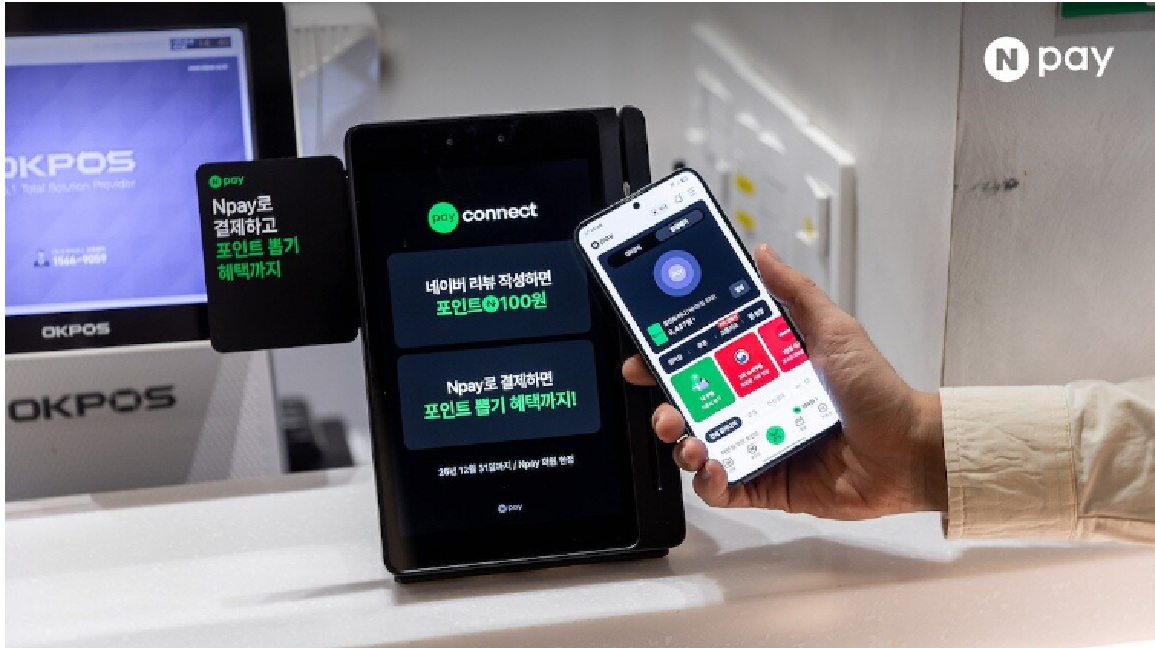
Kicker: SOCIETY The Seamless Wallet: How Offline Easy Payment Services Reshape Campus Consumption By Eun-jin Kim, Cub-Reporter eunxvn@naver.com Image of a customer tapping a smartphone to pay at a Naver Pay "Connect" terminal Walk into almost any convenience store, cafe, or campus cafeteria today, and chances are the person ahead of you will pay without touching a wallet at all. A quick tap of a smartphone, a QR code scanned at the register, or even a glance at a face-recognition scanner is often enough. Cash and physical cards, once the only options, are quietly disappearing from student life. This shift toward offline easy payment services, powered by QR codes, barcodes, and biometric recognition, has made the “wallet-less campus” a normal part of daily routine rather than a futuristic idea. For many students, forgetting a wallet is no longer a problem, as long as their phone has enough battery. Fintech’s Race for the Offline Counter This everyday convenience is the result of a fierce competition among fintech and IT companies to dominate offline payments. According to the Bank of Korea, the daily average number of simple payment transactions reached about 35.57 million, worth roughly 1.15 trillion won, up 14.9% and 14.6%, respectively, from the previous year. To capture a larger share of this fast-growing market, major platforms are racing to install their own payment terminals in physical stores. Naver Pay, for example, launched an offline terminal called “Connect” that supports card, simple payment, and face-recognition payment, and has been expanding partnerships with bakery and dessert franchises. Kakao Pay and Toss are pursuing similar strategies through their own in-store terminals, turning cafes and convenience stores near campus into a new battleground for digital wallets. This offline push matters because, despite the rise of online shopping, in-person payment still moves more money every day than transactions made online. Data from the Bank of Korea show that face-to-face payments average about 1.76 trillion won a day, compared with roughly 1.21 trillion won for non-face-to-face transactions. In other words, the counter at a campus cafe or convenience store, not an online shopping cart, is still where the largest share of daily spending happens, which is exactly why fintech companies are fighting so hard to place their terminals there. Convenience That Comes With Rewards For students, this competition often translates into real benefits. Platforms attract users with point accumulation, instant discounts, and cash-back promotions, turning routine purchases like coffee or snacks into small savings opportunities. Simple payment apps also let students track spending automatically, replacing the need to keep paper receipts or manually record expenses. A recent industry survey found that simple payment is now the most used method for online purchases, chosen far more often than physical cards, and that even in offline settings such as convenience stores, the gap between cards, phone-based payment, and simple payment apps has nearly disappeared. Awareness of newer options like face-recognition payment is also rising quickly, even though relatively few students have tried it so far, mainly because it is not yet available at enough stores. When Convenience Blurs the Sense of Spending However, the same convenience that makes payment effortless can also make spending feel less real. Because a single tap or scan replaces the physical act of handing over cash, many students report losing track of exactly how much they have spent in a day or a week. Research on payment behavior has long shown that people tend to spend more when using cards rather than cash, partly because paying with a card activates less psychological resistance and does not create the same immediate sense of loss. Financial experts note that as payment methods multiply and each transaction becomes faster and less visible, it becomes harder for students to manage a budget, which can gradually lead to overspending. This pattern is easy to recognize on campus. A student who taps a phone for a 2,000-won coffee before class, then taps again for a snack between classes, and once more for a late-night delivery order, rarely adds up these small amounts in the moment. Each individual payment feels too small to worry about, but by the end of the month, students who track their spending are often surprised at how much these “invisible” purchases have accumulated. Because no cash physically leaves their hands, the usual mental brakes on spending simply do not engage in the same way. These cases show that offline easy payment services are neither purely helpful nor purely harmful; their impact depends on how students choose to use them. Taking advantage of point rewards and automatic spending records can genuinely support a smarter, more organized financial life. At the same time, students need to stay alert to how quickly small, invisible payments can add up, and make a conscious effort to check their spending regularly rather than relying on convenience alone. In the end, a wallet-less campus is likely here to stay, and there is little reason to resist a system that saves time and offers real savings. What matters now is that students build the habit of spending with awareness, using every discount and tracking tool available while still asking themselves, before each tap, whether the purchase is really necessary. Only then can convenience become a genuine part of a healthy financial life rather than a quiet path toward habits students never intended to form. Sources: Today Economy, "Naver Pay unveils integrated offline terminal 'Connect'," Nov. 18, 2025. Photo courtesy of Naver Pay. (www.startuptoday.co.kr) Global Economic, “Simple payment usage hits record high of 1.1 trillion won a day,” Mar. 20, 2026. (www.g-enews.com) Bank of Korea, “2024 Survey on the Use of Payment Instruments and Mobile Financial Services,” cited in Chung-Ang University Times, Apr. 5, 2026. (news.cauon.net) Opensurvey, “Payment Service Trend Report 2026,” Jun.–Jul. 2026. (blog.opensurvey.co.kr) Money Today, “Naver Pay expands offline payment territory with half-price promotions,” Jun. 24, 2026. (news.mtn.co.kr) YTN, “Brain MRI analysis: credit card use fuels the urge to spend,” Mar. 15, 2021. (www.ytn.co.kr)
제 31 호 The Myth of Labor Income: Why Today’s Youth are Turning to High-Risk Investments
Kicker: SOCIETY The Myth of Labor Income: Why Today’s Youth are Turning to High-Risk Investments By Seung-su Kim, Cub-Reporter seungthlng14@gmail.com Image of High Risk Against the backdrop of persistent inflation and skyrocketing housing prices, a deep sense of economic disillusionment has taken root among today's younger generation. A growing number of youths are confronting the harsh realization that traditional labor income—earned through steady employment and savings alone—presents a painfully narrow path toward meaningful financial independence or social mobility. This structural despair has unfortunately fueled an intense speculative frenzy, driving many young individuals toward high-risk investments, leveraged trading, and impulsive financial decisions in pursuit of quick wealth. While this widespread phenomenon highlights the desperate urge to escape economic stagnation, it also exposes dangerous vulnerabilities in financial literacy and long-term security. Examining this reality requires a critical look at the economic barriers trapping the youth and the urgent need for structural safety nets. The Structural Reality of Stagnant Labor Returns For contemporary university students preparing to graduate and transition into the professional workforce, the macroeconomic landscape appears increasingly formidable compared to the realities faced by previous generations. Skyrocketing real estate valuations in metropolitan areas, persistent inflationary pressures on basic consumer goods, and plateauing entry-level salaries have drastically widened the chasm between working-class earnings and the actual cost of independent survival. Under these grueling economic constraints, the traditional, time-tested formula of securing a stable job, saving diligently month by month, and gradually accumulating wealth feels mathematically unfeasible and overly idealistic to a vast number of young adults. This systemic roadblock has generated a pervasive sentiment of relative deprivation, convincing a significant portion of the younger demographic that conventional labor alone can no longer secure their financial futures or provide a realistic path to homeownership. The Allure and Hazards of Speculative Frenzy Driven by an acute fear of permanent economic exclusion and social stagnation, many young investors have systematically turned away from traditional, low-yield savings vehicles, redirecting their capital directly into high-risk asset classes, volatile cryptocurrency markets, and aggressive leveraged trading platforms. Digital media networks, online trading forums, and social media influencers frequently amplify rare overnight success stories while obscuring the devastating financial perils involved, inadvertently encouraging impulsive, emotional "all-in" investment behaviors devoid of fundamental risk analysis. Consequently, a vast legion of inexperienced young individuals finds itself dangerously exposed to extreme market volatility, occasionally accumulating crushing personal debt before their professional careers have even truly commenced. This widespread speculative rush underscores a profound societal vulnerability: the desperate, understandable urge to escape systemic financial insecurity frequently drives vulnerable individuals directly into even deeper economic traps. Toward Financial Literacy and Realistic Security Addressing the root causes of youth investment fever requires looking far beyond surface-level moral critiques of reckless financial behavior, demanding instead an honest examination of the structural economic pressures shaping these desperate choices. While young adults must actively cultivate sound financial literacy, disciplined risk management, and long-term planning skills to protect their hard-earned assets, society and higher education institutions share a profound institutional responsibility to provide practical, realistic economic guidance. Strengthening structured financial education on campus can empower students to differentiate between sustainable wealth-building strategies and high-risk speculative gambling. Ultimately, restoring collective faith in economic stability demands robust structural reforms that ensure honest, dedicated labor is once again recognized, valued, and appropriately rewarded as a viable, secure foundation for a dignified future. Sources: https://www.newsis.com/view/NISX20260612_0003666630 https://www.sedaily.com/article/20085843 https://www.alphabiz.co.kr/news/articleView.html?idxno=178862
제 31 호 AI Slop: The Rise of Low-Quality AI-Generated Content
Kicker: SOCIETY AI Slop: The Rise of Low-Quality AI-Generated Content By Ji-Won Choi, reporter Image of a Representative Example of AI Slop: Italian Brainrot Have you heard of the meme ‘Tralalero Tralala’? It is part of a meme trend known as ‘Italian Brainrot.’ The term ‘brainrot’ refers to content that is so absurd or repetitive that it is said to ‘rot the brain.’ Italian Brainrot typically features bizarre, context-free videos created by using AI to combine unrelated elements in strange and humorous ways. Recently, there has been a growing amount of low-quality content produced using generative AI programs. Such content is often referred to as ‘AI slop’ and has emerged as a new social issue. What Is AI Slop? The term “AI slop” comes from the word “slop,” which refers to leftover food or feed given to pigs and other livestock. The concept became widely known after Simon Willison, a British software engineer and open-source developer, introduced the term on his blog in 2024. He explained that, just as “spam” became a term for unwanted emails, “slop” could become a term used to describe unwanted AI-generated content. One of the defining characteristics of AI slop is that it can be produced almost instantly with just a few lines of prompts, without requiring people to directly create, film, or verify the content. As a result, AI slop has recently appeared in various forms, including videos, images, articles, music, academic papers, and applications. The term has also gained wider recognition. In 2025, the British current affairs magazine The Economist selected “slop” as its Word of the Year, reflecting the growing impact of low-quality AI-generated content. The Current State of AI Slop in South Korea According to a study by Kapwing, an AI-powered video editing platform, South Korean AI slop channels recorded approximately 8.45 billion views as of October 2025, ranking first worldwide. This figure was significantly higher than those of Pakistan, which ranked second with 5.3 billion views, and the United States, which ranked third with 3.4 billion views. South Korea also ranked highly in the production of AI slop content. Four of the 10 most-viewed AI-generated video channels worldwide were estimated to be based in South Korea. Image of YouTube AI Slop Channel Views Worldwide One notable example is the Korean channel “3-Minute Wisdom,” which posts context-free AI-generated videos, such as armored figures performing breakdancing in front of a group of lions. The channel ranked second worldwide with approximately 2.02 billion cumulative views, and its annual revenue was estimated at around 5.8 billion won. These figures demonstrate how rapidly AI slop content is being consumed and monetized in South Korea. Why Is AI Slop Spreading? One of the main reasons for the rapid spread of AI slop is the structure of platform algorithms. In the 21st century, online platforms tend to recommend content based on users’ watch time, views, and engagement rather than the originality or quality of the content. As a result, sensational and repetitive low-quality content can be exposed to a larger number of users. In particular, generative AI allows content to be mass-produced quickly and at a low cost, further accelerating this trend. In response to criticism over the growing problem of AI slop, YouTube stated that “AI is simply a tool” and that it remains focused on providing high-quality content regardless of how it is produced. The Problems Caused by AI Slop What problems can arise if people are exposed to AI slop without sufficient awareness? As viewers are repeatedly exposed to AI slop, they may begin to trust the content regardless of whether it is factually accurate. In particular, short and sensational videos are consumed quickly, making viewers more likely to accept the information without checking its source or verifying its accuracy. As a result, misinformation and false claims can spread rapidly, making it increasingly difficult for users to distinguish between reliable information and false or exaggerated AI-generated content. In addition, the continuous production of sensational content designed to attract views and attention can lead to an overwhelming amount of low-quality information online. Ultimately, the spread of AI slop is more than an increase in entertaining content; it can undermine trust in online information and interfere with the accurate dissemination of information, making it a growing social issue. How Can We Address the Spread of AI Slop? To prevent the spread of AI slop, it is important to improve users’ media literacy rather than simply restricting the production of such content. As generative AI technology advances, anyone can create convincing videos and images within a short period of time. Therefore, users need to develop the habit of not automatically accepting everything they encounter online as factual. In particular, they should learn to check the source and production methods of content and critically evaluate whether the information is accurate. Platforms should also clearly label AI-generated content and take measures to prevent the indiscriminate spread of false, exaggerated, or repetitive low-quality content. Ultimately, in the age of AI, media literacy is becoming increasingly important as users need to go beyond simply consuming content and develop the ability to critically evaluate and judge the information they encounter. Source: https://www.yna.co.kr/view/AKR20260130066000017 https://newneek.co/@newneek/article/43688 https://www.ajunews.com/view/20251228164712379 https://whatisai.co.uk/what-is-ai-slop-understanding-the-risks/ https://strommeninc.com/parents-shocked-by-italian-brainrot-translations-heres-what-those-viral-chants-really-mean/ (figure 1) https://www.mt.co.kr/society/2026/01/17/2026011612592748553 (figure 2)

제 30 호 Evolution of Convenience Stores: From Retail Outlets to Cultural Platforms
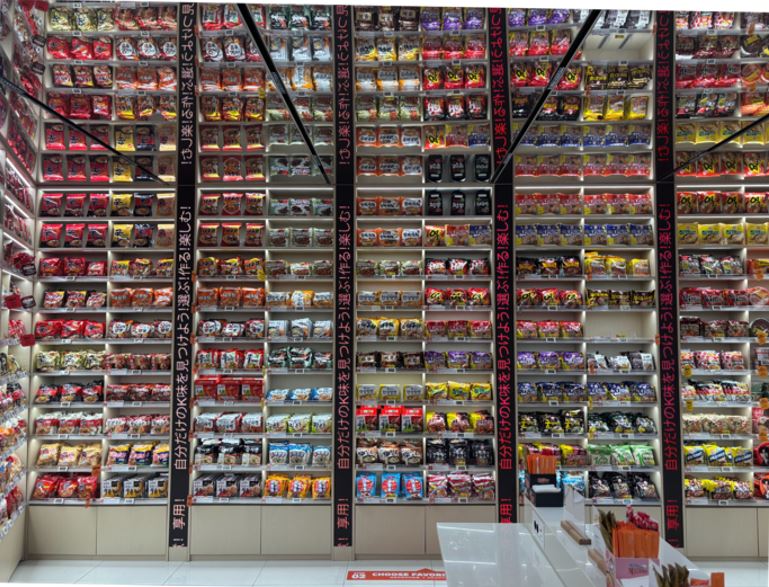
Kicker: SOCIETY Evolution of Convenience Stores: From Retail Outlets to Cultural Platforms By Eun-jin Kim, Cub-Reporter eunxvn@naver.com Today, convenience stores are changing into places where people can enjoy different experiences, not just buy products. Especially in high-traffic areas where young people and tourists gather, such as Seongsu-dong and Myeong-dong, these stores are becoming cultural spaces with brand pop-ups, exhibitions, and various K-content elements. This trend means that convenience stores are no longer competing only through price and convenience. Instead, they are successfully transforming into cultural platforms where consumers can stay longer, explore, and enjoy themselves. Turning Trendy Neighborhoods into Content Hubs A prime example of this evolution is “Door to Seongsu,” a flagship store opened by GS25. This store reflects the trendy atmosphere of Seongsu-dong, a neighborhood known for attracting young trends. It is one of the first convenience stores to use pop-up stores as a main concept. The store has welcomed more than one million visitors and hosted 45 different brand pop - ups. These numbers prove that convenience stores are no longer just simple retail shops. Instead, many people visit these stores because they can enjoy different kinds of content there. Because the store sees a particularly high percentage of visitors in their twenties and thirties, this shows that the strategy is popular among young people. Spaces for New Experiences and Global Tourists Another notable case is “Trend Lab Seongsu” operated by E-Mart 24. Customers can see, experience, and buy products in different themed spaces. By putting self-developed items and collaboration merchandise at the front of the store, E-Mart 24 has created a different image from ordinary convenience stores. a large display wall filled with instant noodles at k-food lab In addition to this, “K-Food Lab Myeongdong” was designed specifically for foreign tourists. This store offers visitors a chance to experience K-food, K-beauty, and K-pop all in one place. It features a large display wall filled with instant noodles, multi-language guides, tax-free kiosks, and unmanned currency exchange machines. These elements show that convenience stores can connect tourism and shopping naturally. These cases show that Korean convenience stores are becoming cultural spaces that people of different ages and nationalities can enjoy. The Future of Urban Consumption In conclusion, convenience stores in South Korea are moving beyond simple convenience. They are changing into spaces that combine unique brand experiences with cultural consumption. Flagship stores in Seongsu-dong and tourist-tailored locations in Myeong-dong serve as symbolic examples that show where the convenience store industry is heading. In the future, convenience stores are highly likely to expand further. They will not just be places to resolve daily shopping needs, but places that offer consumers a new lifestyle and new experiences. Therefore, this change means that the convenience store industry is growing past traditional retail and becoming a creative platform connected to urban culture. Source: https://www.mk.co.kr/news/business/12027422
제 30 호 Vanishing Bees: A Warning from Nature

Kicker: SOCIETY Vanishing Bees: A Warning from Nature by Dahyun Kim , Cub-Reporter dodokk1011@naver.com An image of a researcher collecting honeybee pupae to investigate the bee disappearance Since the winter of 2021, South Korea has experienced a sharp decline in honeybee populations, with reports estimating the loss of more than 780 million bees. This phenomenon has raised growing concerns over Colony Collapse Disorder (CCD) and the wider consequences of environmental changes on ecosystems. For decades, ecological stability has often been taken for granted despite mounting environmental pressures. However, the rapid decline of a key pollinator has intensified concerns that climate change and environmental degradation may be disrupting the balance of natural systems. Moving beyond a crisis for the local beekeeping industry, the disappearance of bees raises broader concerns about agricultural productivity, food security, and the long-term sustainability of human society. By examining the scale of honeybee losses and their underlying causes, this article explores how environmental changes increasingly intersect with social challenges and highlights the need for more effective responses to ecological risks. Anthropogenic Drivers of Ecological Disruption The immediate catalysts for this unprecedented ecological collapse are rooted in a combination of climate change and aggressive chemical interventions. Primarily, rising global temperatures driven by climate change have caused severe seasonal anomalies within South Korea, disrupting natural flowering cycles. As plants bloom irregularly out of season, honeybees face severe nutritional deficits, which fundamentally weakens their immune systems and leaves them highly vulnerable to diseases. This biological stress is further compounded by the widespread, indiscriminate use of toxic agricultural pesticides. These hazardous chemical agents impair the bees' complex neurological navigation systems, preventing them from returning to their hives. Additionally, the rapid spread of invasive predators, specifically the yellow-legged hornet (Vespa velutina), has accelerated the destruction of local colonies. These combined factors illustrate how human-driven disruptions have systematically destabilized the natural habitats of key pollinators. Regulatory Blind Spots and the Philosophy of Growth This ecological crisis clearly mirrors the dangerous blind spots embedded within our historical approaches to environmental regulation. For decades, South Korea’s legal and administrative frameworks have inadvertently prioritized rapid economic development and industrial growth over long-term ecological preservation. This collective passivity has allowed extensive gaps in agricultural and environmental policies to remain unaddressed. Much like outdated legal frameworks that fail to adapt to the changing dynamics of modern society, existing regulatory systems have failed to strictly limit hazardous chemical distribution or penalize actions that degrade biodiversity. Consequently, the unchecked expansion of commercial industries has directly compromised natural habitats. The current disappearance of honeybees serves as a stark reminder of the "revenge of nature," demonstrating that ignoring subtle environmental indicators in the name of economic profit ultimately creates irreversible domestic crises. Reevaluating Agricultural Value and Food Security Beyond the immediate economic losses suffered by the domestic beekeeping industry, the vanishing of honeybees presents a profound threat to global agricultural productivity and food security. As essential cross-pollinators, honeybees are responsible for sustaining a significant portion of the crops that feed human society. Their absence triggers a dangerous domino effect across the agricultural sector, leading to reduced crop yields, diminishing plant diversity, and unstable food supplies. Therefore, preserving these insects is no longer a localized agricultural issue; it is a vital prerequisite for the long-term sustainability of human society. To prevent further ecological decay, the government must introduce comprehensive environmental regulations. This transition requires establishing strict compliance standards for pesticide usage, mandates for habitat preservation, and proactive risk-management frameworks that view ecological stability as an indispensable public asset rather than a secondary concern. Ultimately, implementing stringent environmental regulations to preserve honeybee populations presents a highly complex socioeconomic challenge that extends far beyond simple ecological conservation. As this article has examined, the proposed policy shifts have triggered intense, widespread debates across society regarding the precise balance between industrial productivity and environmental sustainability. Proponents of the reform strongly argue that immediate, aggressive regulatory interventions—such as banning certain hazardous chemical pesticides and mandating large-scale habitat restoration—are entirely non-negotiable measures required to safeguard biodiversity and human food security. Conversely, agricultural corporations and local farming coalitions voice serious concerns over immediate economic friction, claiming that abrupt, sweeping restrictions on essential agricultural chemicals could drastically lower crop yields, disrupt supply chains, and place unfair financial burdens on vulnerable rural communities. Navigating this precarious gridlock requires recognizing that leaving ecological blind spots unaddressed carries a catastrophic, long-term cost that human society simply cannot afford to pay. The sudden and mysterious disappearance of honeybees is not merely an isolated agricultural crisis, but a profound, structural systemic warning that economic development cannot endure without a stable and healthy natural foundation. For university students and the younger generation, addressing this ecological risk demands a fundamental, transformative shift in perspective. Rather than viewing environmental protection as a series of temporary, inconvenient sacrifices, future leaders must adopt a sustainable, proactive habit of mind that recognizes the intrinsic intersection between ecological health and social equity. Ultimately, this ongoing ecological crisis serves as a critical benchmark for public policy, demonstrating that human progress must actively harmonize with nature’s limits to ensure the long-term survival of human society. Sources: https://www.reuters.com/business/environment/south-korean-beekeeper-counts-cost-climate-change-2026-06-03/ https://www.fao.org/newsroom/detail/Declining-bee-populations-pose-threat-to-global-food-security-and-nutrition/en https://www.kjoas.org/articles/article/dbWD/ https://journal.bee.or.kr/_common/do.php?a=full&aidx=34956&b=&bidx=3138

제 30 호 The End of 'Fake Cigarettes' and 70-Year-Old Standards: The Essence of Strengthening Tobacco Regulations
Kicker: SOCIETY The End of 'Fake Cigarettes' and 70-Year-Old Standards: The Essence of Strengthening Tobacco Regulations by Dahyun Kim , Cub-Reporter dodokk1011@naver.com Since the enactment of the National Health Promotion Act in 1995, South Korea’s tobacco control policies have steadily evolved with the primary goal of protecting public health. For decades, these policies relied largely on expanding smoke-free zones and restricting smoking in public spaces. However, South Korea’s approach to tobacco regulation is now approaching a significant turning point. Moving beyond the conventional strategy of expanding smoke-free areas, the government is pursuing a structural overhaul by redefining the legal definition of “tobacco.” This legislative shift aims to close long-standing regulatory loopholes that have allowed products such as synthetic nicotine e-cigarettes to remain outside existing oversight frameworks. By addressing these gaps, the proposed policy seeks to establish a more comprehensive system of tobacco regulation and create a more consistent regulatory environment across the market. An image of a nicotine e-cigarette The Regulatory Gaps in the Current Law The necessity of a structural overhaul stems from the technical limitations of the current Tobacco Business Act, which narrowly defines "tobacco" solely as products manufactured from natural tobacco leaves. Manufacturers have systematically utilized this specific legal definition to rapidly expand the market for "synthetic nicotine" e-cigarettes. Since these chemical alternatives do not originate from actual tobacco plants, they have remained entirely outside the existing oversight frameworks that govern traditional cigarettes. Consequently, these unregulated electronic products have proliferated within the domestic market, effectively bypassing mandatory health warnings, age verification protocols, and advertising restrictions. This legal loophole has allowed synthetic nicotine brands to launch aggressive marketing campaigns near educational zones and utilize appealing flavorings that directly target younger demographics, without facing any of the legal repercussions that traditional tobacco companies would naturally encounter. Implementing Fiscal Equity and Distribution Controls To resolve these market inconsistencies, the proposed legislative shift focuses on establishing a uniform fiscal and regulatory framework specifically targeting alternative nicotine products. Under the updated legislation, all synthetic nicotine e-cigarettes will be subjected to the same tobacco consumption and local education taxes currently imposed on conventional cigarettes. This measure aims to ensure economic equity across the industry by eliminating the unfair tax advantages previously held by synthetic nicotine manufacturers, who operated under the guise of general chemical importers. Furthermore, the policy introduces strict distribution controls to address youth access, including an absolute ban on online sales and the mandatory placement of graphic health warning labels on all e-cigarette packaging. By cutting off digital distribution channels and forcing compliance with packaging regulations, the government intends to drastically lower the accessibility of these products to minors. Mandatory Safety Oversight and Market Standardization Beyond taxation and distribution restrictions, incorporating synthetic nicotine into the legal definition of tobacco establishes a more comprehensive safety oversight system. Previously, these chemical liquids were imported and distributed without undergoing rigorous toxicity evaluations, creating potential consistency issues regarding consumer safety and leaving the public vulnerable to unverified chemical hazards. Mandating strict ingredient disclosure and comprehensive safety inspections prior to market release will fundamentally standardize the electronic cigarette industry. While these stringent compliance standards may cause initial market adjustments and initial pushback from retailers, they will ultimately close long-standing legal blind spots. This transition will transform the marketplace from an unregulated commercial space into a standardized environment that prioritizes public health through a transparent, government-led management framework. South Korea’s move to redefine the legal definition of tobacco represents a critical milestone that extends far decorative beyond mere market stabilization. This legislative shift has sparked intense, polarizing debates among various stakeholders across society, revealing a deep ideological divide. Proponents of the reform strongly argue that establishing a modernized legal framework is an indispensable, fundamental solution to safeguarding public health, closing regulatory loopholes, and protecting younger generations from completely unregulated chemical hazards. Conversely, tobacco industry representatives and certain independent retailer coalitions voice serious concerns over potential regulatory overreach. They claim that sudden, heavy fiscal burdens and administrative compliance demands could unfairly stifle the domestic e-cigarette industry, disrupt local supply chains, and heavily infringe upon individual consumer choice. Resolving this deeply entrenched conflict requires a fundamental acknowledgment that effective tobacco regulation cannot continue to rely on outdated, 70-year-old legal frameworks that fail to reflect contemporary technological and market realities. The true essence of this upcoming reform lies not in the blunt, indiscriminate suppression of commercial enterprises, but rather in the vital modernization of legal standards and the enforcement of systemic social equity. By subjecting synthetic nicotine products to the exact same rigorous oversight as conventional cigarettes, the policy establishes a transparent, consistent, and fair market environment. Moving forward, the government must avoid one-sided enforcement; instead, policymakers need to construct a collaborative governance framework that continuously balances these conflicting interests through sustained public discourse, proactive communication, and flexible structural adjustments. This comprehensive legislative overhaul will serve as a crucial benchmark for future public health administration, proving that legal frameworks must continuously evolve alongside shifting societal landscapes to truly protect the public good. Sources: https://img.seoul.co.kr/img/upload/2025/02/06/SSC_20250206175720_O2.jpg ttps://www.mohw.go.kr/board.es?act=view&bid=0027&cg_code=&list_no=1488964&mid=a10503010100&tag= https://www.korea.kr/news/policyNewsView.do?newsId=148955786 https://www.archives.go.kr/next/newsearch/listSubjectDescription.do?id=006653&sitePage= https://nosmk.khepi.or.kr/ntcc/eng/subIndex/549.do https://www.korea.kr/multi/visualNewsView.do?newsId=148963371
제 30 호 Surviving the Era of Expensive Energy : High Oil Price Relief Fund of Korea
Kicker: SOCIETY Surviving the Era of Expensive Energy : High Oil Price Relief Fund of Korea by Sumin Lee, Reporter minnida_@naver.com Earlier this February, following the ongoing war between Russia and Ukraine, a new conflict broke out between the United States and Israel against Iran. As the war continues without a ceasefire, its impact has spread far beyond the countries directly involved, affecting the global community as a whole. Among the most significant consequences is the blockade of the Strait of Hormuz, which has severely restricted the transportation of crude oil around the world. As a result, oil prices have continued to rise globally, including in South Korea. The industries most immediately affected are those closely tied to fuel consumption, such as the automobile and gas station industries. In addition, the rising cost of oil has also led to higher prices for everyday necessities, including clothing and other consumer goods. In response to these growing economic pressures, the Korean government has introduced a compensation policy for damages caused by high oil prices. In this article, we will take a closer look at how the High Oil Relief Fund of Korea program is structured and how citizens can make use of it. Furthermore, beyond simply examining the policy itself, we will also explore public opinions surrounding the measure in order to provide a broader and more balanced perspective on the issue. To ease the burden on ordinary citizens caused by high oil prices, a weak Korean won, and rising inflation, the government is providing High Oil Price Damage Relief Funds. The government explained that this measure is not simply financial support, but an emergency stabilization policy intended to prevent shocks in the global energy market caused by war from spreading throughout the domestic economy. The Detail of the Policy According to the policy, support will be provided to 70% of the population, with payments ranging from 100,000 won to 600,000 won per person through customized support based on income level and region. In the Seoul metropolitan area, basic livelihood recipients will receive 550,000 won, near-poverty households and single-parent families will receive 450,000 won, and the lower 70% income bracket will receive 100,000 won. In non-metropolitan areas, the lower 70% income bracket will receive 150,000 won. In areas experiencing population decline, basic livelihood recipients will receive 600,000 won, near-poverty households and single-parent families will receive 500,000 won, residents in preferential support regions will receive 200,000 won, and residents in special support regions within the lower 70% income bracket will receive 250,000 won. Applications can be submitted both online and offline. Online applications are available through credit card company websites, mobile applications, and local gift certificate apps. Offline applications can be made by visiting the local administrative welfare center in the applicant’s district or affiliated bank branches. Recipients can choose to receive the support through local gift certificates, credit or debit cards, or prepaid cards. The first application and payment period runs from April 27 to May 8, while the second period runs from May 18 to July 3. The funds must be used by August 31, 2026. Any unused balance after this date will automatically expire, so users must carefully check the deadline. The support funds can only be used within the applicant’s registered residential area. In addition, the funds are limited to affiliated local gift certificate stores and small businesses with annual sales of less than 3 billion won. However, although use at large supermarkets is generally restricted, some independently operated stores located inside supermarkets—such as optical shops, laundries, hair salons, car washes, restaurants, and cafés—can still accept the support funds. In line with the purpose of the High Oil Price Relief Policy, gas stations are allowed to accept the support funds regardless of their annual sales volume. More detailed information about the support program is also available through the Government Civil Complaint Call Center (110). However, some citizens who applied during the application period were disappointed to find that they were not eligible for the support because eligibility was determined based on health insurance premiums. As a result, some wealthy asset holders with low earned income were excluded from the payment program, leading to confusion among citizens who unexpectedly discovered they belonged to the top 30% income group. Some people also expressed frustration, saying it would have been better if the government had informed citizens in advance whether they qualified for the payment. Citizens who disagree with the eligibility decision may file an objection through the e-people(국민신문고, National Petition System) or local administrative welfare centers. The objection period runs from May 18 to July 17. Two Perspectives on the Policy People who hold skeptical views about this policy argue that temporary cash payments by the government may stimulate consumption in the short term but could increase inflationary pressure in the long run. Critics also claim that, instead of selective support payments, the government should have reduced the fuel tax universally. Some also expressed disappointment regarding controversies over discrimination and unequal treatment, arguing that a more immediate and fair price stabilization policy would have been more effective. Others criticized the restrictions on where the funds can be used, saying policies guaranteeing consumers greater freedom of choice would have been preferable. On the other hand, supporters of the policy have responded positively, especially as many self-employed business owners are both emotionally and financially struggling to maintain their livelihoods. Increased spending in traditional markets has been viewed as evidence of the policy’s effectiveness. Gas station owners also expressed relief after the annual sales cap of 3 billion won was removed for fuel stations, saying customer traffic had noticeably increased. Vulnerable groups burdened by medical expenses due to illness also welcomed the support, stating that the policy reduced living costs for both consumers and small business owners while revitalizing local economies. The government is not limiting itself to short-term compensation policies and is also focusing on long-term efforts to reduce energy consumption and transition toward environmentally friendly transportation systems. Recently, the government introduced a vehicle rotation system based on license plate numbers to reduce traffic and fuel consumption by restricting vehicle operation on certain weekdays. In addition, policies promoting the use of public transportation—such as discounts for buses and subways and improved convenience—are encouraging citizens to voluntarily reduce private car use and save energy. As university students directly experiencing these social challenges and policy responses, it is important to clearly understand the causes of high oil prices and energy issues while maintaining continuous interest in related policies. Young people can actively express their opinions on future environmental and energy policies and contribute to energy crisis responses through increased public transportation use and energy-saving practices in daily life. SOURCES: http://news.gm.go.kr/news/articleView.html?idxno=24163 https://kbthink.com/life/daily/high-oil-price-relief-fund.html https://m.joseilbo.com/news/view.htm?newsid=568803#_digitalcamp https://dailyn.net/news/article.html?no=113414
제 30 호 Boom Beyond the Headlines: Why SK hynix Is Thriving Now
Kicker: SOCIETY Boom Beyond the Headlines: Why SK hynix Is Thriving Now By Hae-In Noh, Reporter xhazmfnwm1@gmail.com SK Hynix sales rise, and stock price gains are drawing strong attention in economic news as the AI market grows rapidly. More people now watching the chip firm, many linking the company’s strong results due to the AI boom. Yet industry experts point to wider reasons behind the recent growth, including changes in the memory chip market, rise in data center demand, strong technology, and steady research efforts. The company produces key memory chips such as DRAM and NAND Flash, parts helping smartphones, computers, servers store and process data. Fast growth in AI services also lifts need for high-speed memory, especially HBM, a key part for AI systems handling large amounts of information. A strong position in HBM market helps SK hynix win more demand from global firms, improve earnings, and gainning investor trust. This article looks at why the company now enjoys strong growth, discussing the changes to the AI chip market, while exploring what recent success means for wider industry and economy. Memory Chip Industry Drives Digital World SK hynix Official produces memory chips such as DRAM and NAND Flash, key parts helping devices store, move, process information. Smartphones, laptops, game systems, cloud servers, data centers all depend on memory for daily work. DRAM helps systems run fast, supports smooth data flow during heavy tasks. NAND Flash stores photos, videos, files, apps, keeps large amounts of information safe. Growing digital use, online services, cloud systems raise need for stronger chips, push memory firms into key role in the global tech market. Rising demand for fast storage also lifts value of memory business, making chip makers important players in digital economy. AI Growth Lifts Demand for HBM Fast growth in AI services raises demand for powerful data centers, high-speed servers, and advanced chips. AI systems process huge amounts of information, require memory moving data at much faster speed than older systems. HBM, short for High Bandwidth Memory, plays major role in this change, supports fast data flow for AI learning, image making, language tools. Strong technology helps SK hynix lead the HBM market by, supplying products for global tech firms, and expanding business with AI chip makers. Rising demand from large tech companies also lifts orders, strengthens sales, and increases company value in fast-growing AI market. Experts point to HBM as one of the key products driving future chip competition. Technology, Research Fuel Strong Results SK hynix keeps investing in research, develops advanced memory products, and strengthens its market position during hard times in chip industry. The company continues technology development even during weak market periods, expands HBM supply, wins more orders from global firms as AI demand grows. Strong focus on research helps company improve product quality, speed, and chip performance. Better earnings, stronger sales, rising stock price also reflect growing trust from investors watching future AI market. Recent success shows more than a short-term trend, points to wider change in chip business, highlights value of long-term investment, strong technology, and a steady growth strategy. SK hynix's success will show more than a short-term trend, reflecting a major change in the chip industry during the AI era. Strong technology, steady research, and the growing demand for advanced memory will continue shaping the company's growth in the global market. Recent success will also show the importance of long-term investment and strong research efforts in a fast-changing industry. At the same time, the company's growth will remind people of the major role the semiconductor business plays in the South Korean economy. As the AI market grows, SK hynix will face new chances (or opportunities), stronger competition, and a greater need for innovation in the global chip market Sources: (https://www.skhynix.com) (https://kr.tradingview.com/news/hankyung:6f6c6142465a7:0) (https://www.hankyung.com/article/2025010796336) (https://www.hankyung.com/article/202507251972a) (https://biz.chosun.com/it-science/ict/2025/10/29/VIG2IND6IVBX5OIG5YRZ3SGGKQ)
이 사이트는 자바스크립트를 지원하지 않으면 정상적으로 보이지 않을수 있습니다.